What Does Car Detailing Include? A Complete Guide
If you’re wondering “what does car detailing include?”, it goes far beyond a basic car wash. A full detail typically involves deep interior cleaning, exterior decontamination, paint polishing when needed, and protective treatments like wax, sealant, or ceramic coating. The goal isn’t just to clean your car - it’s to restore and protect it inside and out.
This guide from
Enthusiasts Domain Detailing
explains what’s included in interior and exterior detailing, protection options, add-ons, timeframes, pricing, and the difference between mobile and shop services so you know exactly what to expect.
Key Takeaways
- Car detailing is a comprehensive cleaning and restoration service for both interior and exterior surfaces.
- A full detail usually takes three to six hours, depending on the condition.
- Basic packages often range from $100 to $300, while advanced correction and ceramic coating services can exceed $1,000.
- Protection options like sealants and ceramic coatings extend durability and shine.
- Detailing every four to six months helps preserve resale value and appearance.
What Does Car Detailing Include? A Quick Overview
Car detailing includes a systematic cleaning and reconditioning process designed to restore your vehicle’s appearance and protect its surfaces. A proper full detail covers interior deep cleaning, exterior decontamination, defect removal when necessary, and a protective layer.
For example, a vehicle exposed to winter road salt may require extended decontamination to safely remove corrosion-causing residue. That level of correction goes far beyond a quick wash. Detailing restores paint clarity, removes bonded contaminants like brake dust and tar, reduces swirl marks, and applies protective coatings - not just surface-level dirt removal.
How Interior Detailing Restores Your Cabin
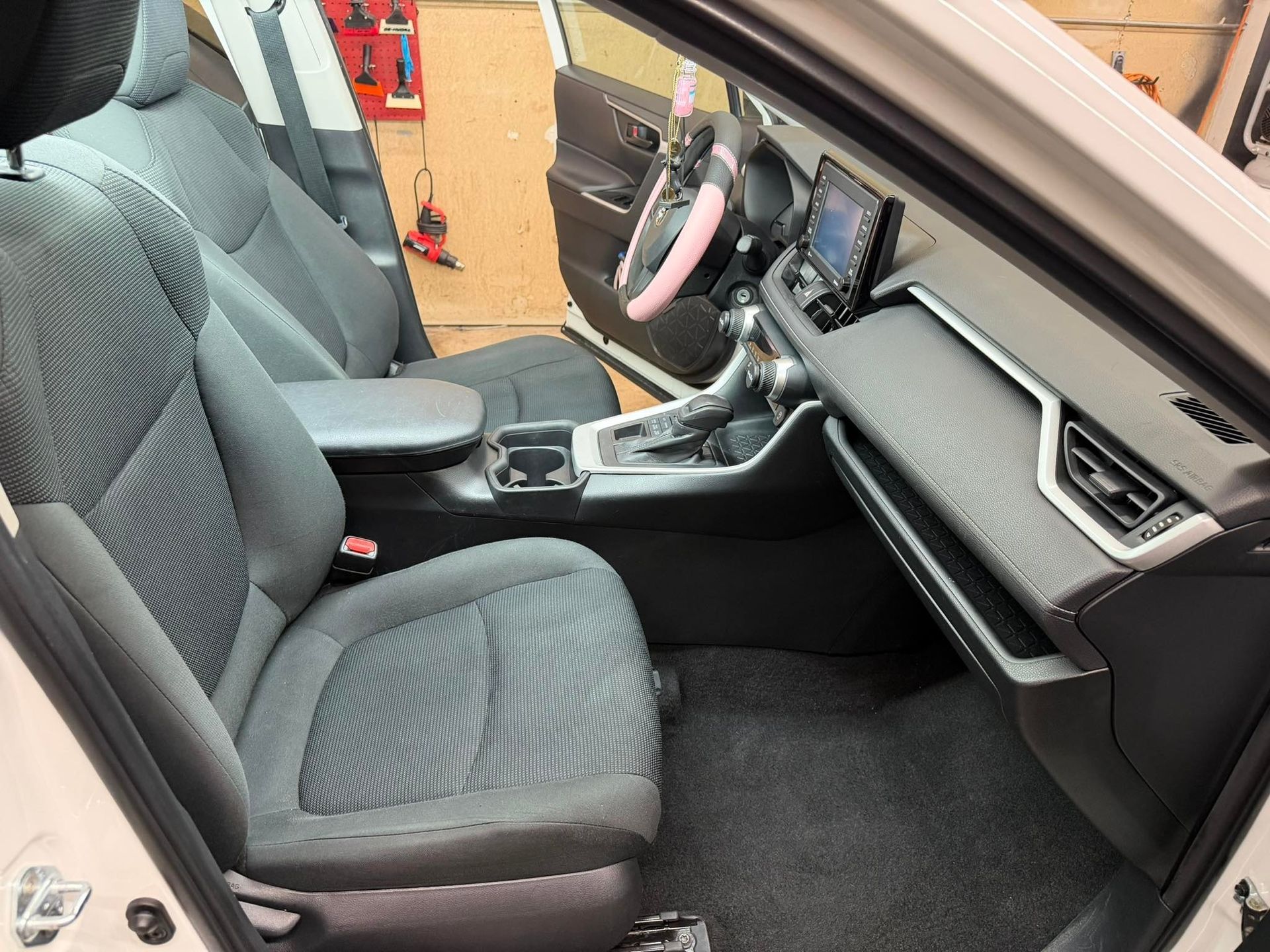
Interior detailing cleans, sanitizes, and restores every surface inside the vehicle.
The process starts with a full vacuum of seats, carpets, mats, trunk areas, and tight crevices to remove loose debris and embedded dirt. Next, carpets and upholstery are deep-cleaned using hot-water extraction (steam). This process removes stains, bacteria, and contaminants from within fabric fibers, not just the surface.
Leather surfaces are cleaned using pH-balanced cleaners (typically between pH 5–7) and conditioned every 6–12 months to prevent drying, fading, and cracking. Odor removal targets the source of smells using enzymatic treatments for organic buildup or ozone treatment for smoke. Severe contamination requires additional treatment time.
Interior detailing restores hygiene, improves air quality, and extends the lifespan of interior materials.
Exterior Detailing: Cleaning And Correcting The Paint
Exterior detailing removes contamination and restores paint clarity.
The process begins with a safe hand wash using the two-bucket method, followed by a pre-rinse and foam treatment to loosen grime before contact washing. Clay decontamination then removes bonded contaminants such as brake dust, tar, and industrial fallout, preparing the surface for polishing.
Polishing enhances gloss and reduces light swirl marks, while deeper scratches or oxidation may require paint correction. Single-stage correction addresses minor defects, whereas multi-stage correction removes heavier imperfections. Professional detailers use dual-action polishers, paint thickness gauges, cutting compounds, and LED inspection lighting to correct defects safely without compromising clear coat thickness. The result is smoother paint, increased gloss, and improved reflection.
For details on paint correction's limits and ability to remove car scratches, read our guide on whether auto detailing can remove scratches.
Is Car Detailing Worth It?
Car detailing is worth it for drivers who want to protect paint, extend interior lifespan, and maintain resale value. A properly maintained vehicle can retain hundreds to thousands of dollars more in trade-in value compared to a neglected vehicle. Protection services like sealants and ceramic coatings also reduce long-term maintenance costs.
Paint Protection Options Explained
After paint cleaning and correction, a protective layer is applied to lock in gloss, reduce contamination buildup, and extend the life of your clear coat. The three most common options are traditional wax, synthetic sealants, and ceramic coating.
| Feature | Traditional Wax | Synthetic Sealant | Ceramic Coating |
|---|---|---|---|
| Durability | 2 to 3 months | 4 to 12 months | 2 to more than 5 years |
| Gloss & Shine | Warm, natural glow | Sharper, reflective shine | Deep, glass-like gloss |
| Water Beading | Moderate | Strong | Extreme hydrophobic effect |
| UV Protection | Basic protection | Moderate protection | High UV resistance |
| Maintenance Level | Requires frequent reapplication | Reapply 1–2 times per year | Minimal maintenance once applied |
| Preparation Required | Basic wash and prep | Wash and light prep | Full decontamination and often paint correction |
| Cost Range | Low | Moderate | Premium |
| Best For | Short-term shine | Seasonal protection | Long-term protection and easier cleaning |
Wax offers short-term shine. Sealants provide longer durability. Ceramic coating delivers the longest protection and easiest maintenance, but requires professional preparation.
Additional Services You Can Add
Detail shops often offer specialty services beyond standard packages. These add-ons target specific problem areas and allow you to customize your detail based on your vehicle’s condition. Common additional services include:
- Engine bay cleaning: Removes grease and grime from the engine compartment using safe cleaners and controlled rinsing, restoring a clean, factory-like look.
- Headlight restoration: Removes oxidation from cloudy headlights through sanding and polishing, then applies UV protection to improve clarity and prevent future fading.
Trim repair and plastic rejuvenation: Restores faded plastic and rubber trim with conditioning or dye-based treatments to improve appearance and protect against UV damage. - Pet hair removal: Extracts embedded pet hair from seats and carpets using specialized tools that go beyond standard vacuuming.
These services are typically optional and priced separately based on vehicle size, material condition, and severity of buildup.
Mobile Detailing Vs. Shop Detail: Services, Convenience, And Limitations
Mobile detailing provides convenience by servicing your vehicle at home or work. It is ideal for maintenance details and interior cleanings.
However, certain advanced services, such as multi-stage paint correction or professional ceramic coating application, benefit from a controlled shop environment. Shops provide consistent lighting, curing conditions, and full equipment access.
For complex paint restoration, a professional shop setting ensures optimal results.
How Long Does A Full Detail Take?
Time requirements vary based on package and condition. A basic exterior or interior service may take one to two hours. A full interior and exterior detail typically takes three to six hours.
Paint correction or ceramic coating installation can extend the process to a full day or longer. Larger SUVs, heavy contamination, and odor remediation add additional labor time.
Vehicle condition is the biggest factor influencing how long a full detail takes, especially when heavy contamination, oxidation, or interior staining is present.
How Much Should Car Detailing Cost?
Detailing prices depend on service depth, vehicle size, and condition.
Basic packages often range from $100 to $150. The interior detailing cost is typically separate and may increase when stain extraction, pet hair removal, or odor remediation is required.
Full interior and exterior details commonly fall between $200 and $300. Paint correction can range from several hundred dollars to over $1,000, depending on severity. Ceramic coating packages typically start around $500 and increase with preparation requirements.
Factors influencing price include heavy salt buildup, extensive pet hair, large vehicle size, and multi-stage correction needs. Regional demand and seasonal conditions may also affect pricing.
DIY Vs Professional Auto Detailing
DIY detailing is suitable for routine washing, vacuuming, and applying basic waxes. With proper tools and patience, vehicle owners can maintain cleanliness effectively.
However, professional detailing becomes necessary for paint correction, ceramic coatings, severe stain removal, and advanced odor remediation. Professionals use specialized equipment, paint thickness awareness, and trained techniques that minimize the risk of clear coat damage.
The difference is not just tools, but experience and precision.
How Often Should You Detail Your Car?
Most vehicles benefit from a full detail every 4–6 months to maintain protection and appearance. Cars exposed to road salt, harsh sun, heavy commuting, or frequent passengers may require quarterly service.
With proper care, regular washing preserves protective layers, monthly spray-on sealants extend durability, and conditioning leather twice per year prevents cracking and fading.
Consistent detailing protects paint, preserves interior materials, and helps maintain resale value. Well-maintained vehicles typically attract stronger buyer interest and higher trade-in offers than neglected ones.
Book A Car Detailing Service In St. Paul, MN Today!
Knowing “what does car detailing include” allows you to compare services and choose a provider that offers proper cleaning, correction, and protection - not just a basic wash. Enthusiasts Domain Detailing provides professional "interior and exterior detailing near me" in St. Paul, MN, helping local drivers protect their vehicles year-round from road salt, harsh winters, and UV exposure. Book your detailing session today and experience the difference!
FAQs About Car Detailing